
Understanding Stock Buybacks: Good for Shareholders or Not?
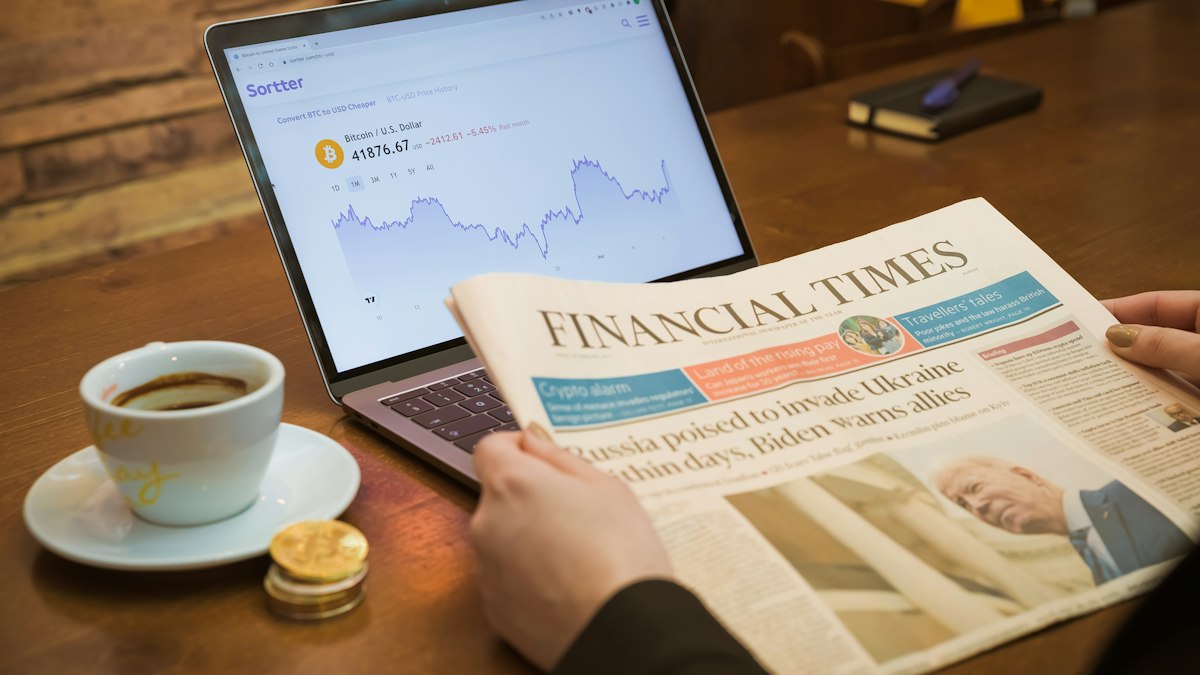
Companies spend enormous sums repurchasing their own shares. Learn how buybacks work and when they create — or destroy — value.
A stock buyback (share repurchase) is when a company buys its own shares from the market, reducing the number of shares outstanding. US companies have spent very large sums on buybacks in recent years.
Why Companies Buy Back Stock
- Return cash to shareholders as an alternative or complement to dividends.
- Increase earnings per share, since profits are spread over fewer shares.
- Offset dilution from stock-based compensation.
- Signal confidence that the shares are undervalued.
When Buybacks Create Value
Buybacks help long-term shareholders when shares are repurchased below their intrinsic value and funded by genuine free cash flow.

When Buybacks Destroy Value
- Buying shares at inflated prices.
- Funding buybacks with heavy borrowing — check the debt-to-equity ratio.
- Using buybacks mainly to hit EPS targets tied to executive pay.
- Repurchases that merely offset heavy stock compensation without reducing the share count.
How to Check
Look at the share count over several years in the 10-K. If buybacks are large but the share count isn't falling, dilution is eating the benefit.
Frequently Asked Questions
Are buybacks better than dividends?
Do buybacks raise the stock price?
Are buybacks taxed?
Related Articles
How to Read a 10-K Report Like a Professional Analyst
The annual 10-K filed with the SEC is the most complete, honest picture of a US public company. Here's a section-by-section guide to what to read, what to skip and the red flags professionals look for.
Read More →
The P/E Ratio Explained: How to Tell If a Stock Is Cheap or Expensive
The price-to-earnings ratio is the most quoted valuation metric on Wall Street — and one of the most misunderstood. Learn how to calculate it, interpret it correctly and avoid the traps that catch beginners.
Read More →
How to Read an Income Statement: A Line-by-Line Guide for Stock Investors
The income statement shows how much a company sells, what it spends and what's left as profit. Learn to read every line, calculate the key margins and spot red flags before you invest.
Read More →
Free Cash Flow Explained: The Metric Smart Investors Trust Most
Earnings can be shaped by accounting choices, but cash is much harder to fake. Learn what free cash flow is, how to calculate it, how to use FCF yield for valuation and the red flags it reveals.
Read More →