
What Is a Stock Market Correction? How to Stay Calm When Stocks Drop 10%
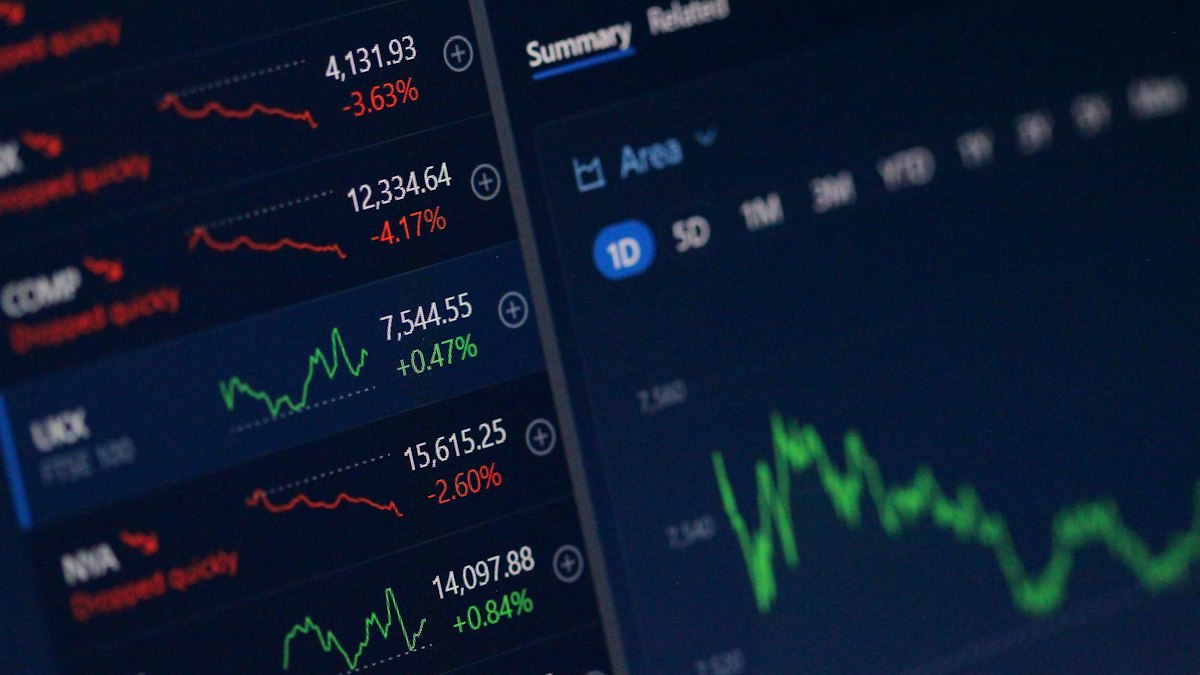
Corrections — declines of 10% to 20% — are a normal part of investing. Learn how often they happen and how smart investors respond.
A stock market correction is a decline of at least 10% — but less than 20% — from a recent peak. Corrections can feel alarming, but historically they have been a regular, even healthy, part of market cycles.
How Often Do Corrections Happen?
Over the long history of the S&P 500, corrections have occurred frequently — on average roughly once every year or two, though they come in clusters rather than on a schedule. Most have not turned into full bear markets.
What Causes Corrections?
Common triggers include worries about inflation, changes in interest rate expectations, disappointing earnings, geopolitical events or simply stretched valuations after a strong rally.

How to Respond
- Don't panic. Selling after a 10% drop often means locking in losses just before a rebound.
- Revisit your plan, not the headlines. If your goals and time horizon haven't changed, your strategy probably shouldn't either.
- Keep contributing. Regular investing buys more shares at lower prices.
- Rebalance if needed. A correction may leave you below your target stock allocation — an opportunity to buy.
- Check your risk level. If a correction feels unbearable, read our guide to managing stock market risk.
Frequently Asked Questions
What's the difference between a correction and a crash?
How long do corrections last?
Should I buy during a correction?
Related Articles

How the Federal Reserve Moves the US Stock Market: A Complete Guide for Investors
Interest-rate decisions, FOMC statements and the Fed's balance sheet ripple through every corner of Wall Street. Learn exactly how monetary policy drives stock prices and how to position your portfolio.
Read More →
Earnings Season Explained: What Really Moves US Stocks After Quarterly Results
Four times a year, America's public companies report their results and stocks can jump or plunge in minutes. Learn how earnings season works, why "good" results can send a stock lower and which numbers truly matter.
Read More →
How Inflation Affects the Stock Market: CPI, PCE and What Investors Should Know
Inflation reports can move US stocks more than almost any other data release. Learn how CPI and PCE work, why rising prices hurt some companies and help others, and how to protect your portfolio.
Read More →
The Jobs Report and the Stock Market: How Employment Data Moves Wall Street
On the first Friday of most months, the US jobs report can send stocks soaring or tumbling within minutes. Learn what's in the report, why "good news" can be bad for stocks and how investors should respond.
Read More →