
Market Circuit Breakers Explained: Why Trading Sometimes Stops
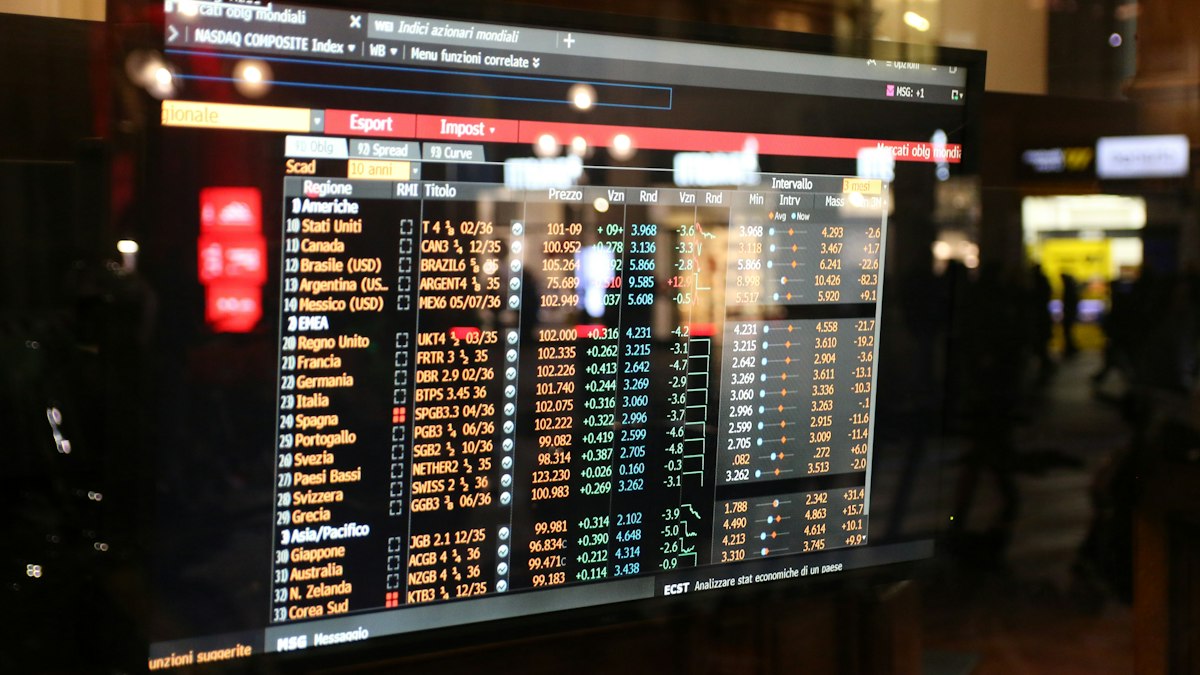
When stocks fall too far too fast, US exchanges can pause trading. Learn how market-wide circuit breakers and single-stock halts work.
On rare days of extreme selling, US stock exchanges can temporarily halt all trading. These circuit breakers were strengthened after the 1987 crash and were triggered several times in March 2020.
Market-Wide Circuit Breakers
Market-wide halts are based on declines in the S&P 500 from the previous day's close:
- Level 1 — 7% decline: trading halts for 15 minutes (if before 3:25 p.m. ET).
- Level 2 — 13% decline: trading halts for another 15 minutes (if before 3:25 p.m. ET).
- Level 3 — 20% decline: trading stops for the rest of the day.
The goal is to give investors time to absorb information and reduce panic-driven selling.
Single-Stock Halts
Individual stocks can also be paused. The Limit Up-Limit Down (LULD) mechanism prevents trades outside set price bands, and exchanges may halt a stock pending major news. You can learn more about investor protections from FINRA.

What Should Investors Do?
Circuit breakers are designed for exactly the kind of moments when emotions run highest. Long-term investors usually do best by sticking to their plan — see our guides to bear markets and corrections.
Frequently Asked Questions
How often are circuit breakers triggered?
Can I place orders during a halt?
Do circuit breakers apply to after-hours trading?
Related Articles

How the Federal Reserve Moves the US Stock Market: A Complete Guide for Investors
Interest-rate decisions, FOMC statements and the Fed's balance sheet ripple through every corner of Wall Street. Learn exactly how monetary policy drives stock prices and how to position your portfolio.
Read More →
Earnings Season Explained: What Really Moves US Stocks After Quarterly Results
Four times a year, America's public companies report their results and stocks can jump or plunge in minutes. Learn how earnings season works, why "good" results can send a stock lower and which numbers truly matter.
Read More →
How Inflation Affects the Stock Market: CPI, PCE and What Investors Should Know
Inflation reports can move US stocks more than almost any other data release. Learn how CPI and PCE work, why rising prices hurt some companies and help others, and how to protect your portfolio.
Read More →
The Jobs Report and the Stock Market: How Employment Data Moves Wall Street
On the first Friday of most months, the US jobs report can send stocks soaring or tumbling within minutes. Learn what's in the report, why "good news" can be bad for stocks and how investors should respond.
Read More →